

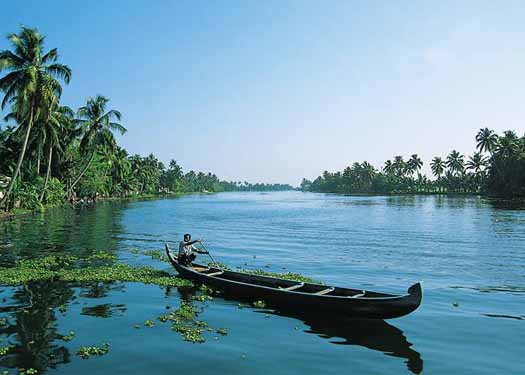
Kerala Tourism’s Muziris Heritage bags away PATA Gold Award
In 2015, Kerala Tourism won a Pacific Asia Travel Association Gold Award for the Muziris Heritage Project in the Heritage and Culture category. The old post reported that news in rough English. We have rewritten it as a clear guide to Muziris history, the heritage project and what visitors can explore.
Muziris was an ancient port on the Malabar Coast. Greek and Roman writers knew it. Tamil Sangam poems praised it. Today the heritage project links sites from North Paravur in Ernakulam to Kodungallur in Thrissur.
Table of Contents
What Was Muziris?
Muziris, also remembered as Muciri in Tamil sources, stood near the mouth of the Periyar river in the old Chera country. The Periplus of the Erythraean Sea, a first century Greek travel text, lists it among leading markets of the coast. Ships came with gold and left with pepper and other goods.
Pliny the Elder called Muziris a prime Indian market, though he also warned about pirates and a difficult roadstead. A second century papyrus records a huge cargo deal tied to a ship sailing from Muziris toward Alexandria.
For state background, read Kerala history, geography and tourism. For an earlier urban story on the subcontinent, see the Indus Valley Civilisation.
Where Was the Port?
Scholars long linked Muziris with the Kodungallur area. Digs since 2006 and 2007 at Pattanam, between Kodungallur and North Paravur, led some teams to argue that Pattanam matches the lost port. Debate continues, so careful guides present more than one view.
A great flood of the Periyar in 1341 is often cited when writers explain why the old harbour declined. Exact causes are complex. What matters for visitors is that the wider river mouth region still holds churches, synagogues, temples, mosques and markets that show long contact with the wider world.
The Muziris Heritage Project
The Government of Kerala runs the Muziris Heritage Project as a large conservation and tourism effort. Kerala Tourism Minister A. P. Anilkumar, speaking after the 2015 PATA award, called it one of the biggest heritage conservation projects of modern India. The belt stretches across North Paravur to Kodungallur.
The project sits within the larger Spice Route idea supported by UNESCO attention. Sites include places such as the Paravur Synagogue and other restored cultural spots that open the story of trade, faith and daily life.
The 2015 PATA Gold Award
PATA, founded in 1951, is a not for profit body that supports travel and tourism across the Asia Pacific region. In 2015 its Gold Award in Heritage and Culture went to the Muziris Heritage Project. The award, sponsored by the Macau Government Tourism Office, praised conservation, uniqueness and impact on the local community.
Kerala Tourism had earlier won PATA praise for Responsible Tourism work at Kumarakom and for its e newsletter in 2014. In 2015, officials said there were 269 entries from 83 organisations and individuals, the highest count since 2007. Awards were to be presented on 8 September at PATA Travel Mart in Bengaluru.
Kerala Tourism Director P. I. Sheik Pareeth noted that no other Indian tourism department won that prized heritage award that year. Secretary G. Kamala Vardhana Rao said the prize underlined Muziris place on the cultural tourism map.
What Visitors Can Expect
Plan a slow trip. Heritage rooms, small museums and water edge walks reward patience more than a rushed checklist. Hire a local guide when you can. Ask about opening hours, because smaller sites may close on certain weekdays.
Combine the heritage circuit with nature if time allows. Our post on Silent Valley National Park shows another side of Kerala. Pilgrim travellers sometimes add Sabarimala on a longer Kerala route, though that shrine has its own season rules.
Pepper, Ships and Memory
Black pepper from the hills made Muziris rich. Sangam poems speak of Yavana ships stirring foam on the river and of pepper sacks stacked high. Gold moved the other way. Those images still shape how Kerala tells its coastal story to guests.
Modern visitors will not see Roman freighters. They will see restored buildings, museums and river views that help the mind place that old trade on a living map.
Planning a Day Trip
Start early from Kochi or Thrissur. Carry water, a hat and cash for small tickets. Ask your hotel to confirm which museums are open on that weekday. Photography rules differ by site, so watch for signs near the door.
Eat at clean local restaurants and try simple Kerala meals. Keep plastic bottles for refill points rather than buying many single use bottles on the road.
Community and Conservation
Heritage work succeeds when local people gain jobs as guides, craft sellers and caretakers. The PATA citation stressed community impact for that reason. Visitors help when they hire local services and respect prayer times at living places of worship.
Never remove tiles, stones or objects as souvenirs. Take photos where allowed and leave the site as you found it.
Reading Before You Go
A short look at the Periplus description and one Sangam poem translation prepares the eye for warehouses, rivers and faith houses you will see. You do not need to be a historian. You only need curiosity and time.
Children enjoy the trip more if you frame it as a treasure hunt for old trade clues rather than a lecture.
Water Routes and Walk Routes
Some heritage visits include short boat rides on canals near the old river mouth. Ask operators about life jackets and return times.
Morning walks between sites are cooler and calmer.
Faith Houses on the Circuit
Living places of worship need quiet dress and consent before photos. Remove shoes where asked.
Guides can explain which rooms are museums and which are active prayer halls.
After the Award Year
The 2015 PATA Gold Award was a milestone, not the end of the work.
Support the project by buying local crafts rather than imported souvenirs.
Keep dates and names in one notebook line when you plan travel or paperwork from this guide.
Ask a local contact before you treat any online date as final for your city.
Read the What We Changed section so you know which old errors are gone.
Use internal links for more depth after one full read of this page.
Share the FAQ answers when family members want a short briefing.
Stay patient with crowds, queues and office counters when you act on this information.
Do not invent numbers that this article leaves unknown.
Return next season to refresh festival or scheme dates as needed.
Teachers can assign one heading as a short classroom talk topic.
Travellers should recheck opening hours the morning they visit.
Parents can retell one story point in simpler words for children.
Law and health notes here stay general and never replace experts.
Heritage sites deserve quiet voices and clean paths from every guest.
Film talk is kinder when it focuses on craft instead of family gossip.
Power and land topics need calm reading and verified government pages.
Festival food customs differ by home; follow your family practice first.
Temple photo rules vary; always ask before you raise a camera.
History pages improve when readers admit what scholars still debate.
Plan buffer time around any public event named in this rewrite.
A second slow reading often reveals small customs you missed at first.
Keep dates and names in one notebook line when you plan travel or paperwork from this guide.
Ask a local contact before you treat any online date as final for your city.
Read the What We Changed section so you know which old errors are gone.
Use internal links for more depth after one full read of this page.
Share the FAQ answers when family members want a short briefing.
Stay patient with crowds, queues and office counters when you act on this information.
Do not invent numbers that this article leaves unknown.
Return next season to refresh festival or scheme dates as needed.
Teachers can assign one heading as a short classroom talk topic.
What We Changed From the Old Post
We kept the 2015 PATA Gold Award facts and cleaned the broken English.
We added verified background on ancient Muziris from classical and Tamil sources, plus the Pattanam debate.
We expanded the heritage project geography and visitor tips, and we removed the unsourced image credit line from a marketing site.
Title, slug and category stay unchanged even though the page now reads as a heritage guide rather than a thin award flash.
Frequently Asked Questions
What is the Muziris Heritage Project?
It is a Kerala government conservation and tourism project that restores and links historic sites between North Paravur and Kodungallur.
Why did it win a PATA award?
In 2015 PATA gave it a Gold Award in Heritage and Culture for conservation, uniqueness and community impact.
Can I visit Muziris today?
You can visit the heritage circuit and related museums. The exact ancient berth is still debated, so treat the trip as a wide field of history rather than one single pin on a map.
Is Muziris only about Roman trade?
No. Roman and Greek texts are famous sources, but the coast also ties to Middle Eastern, African and Asian exchange across many centuries.