

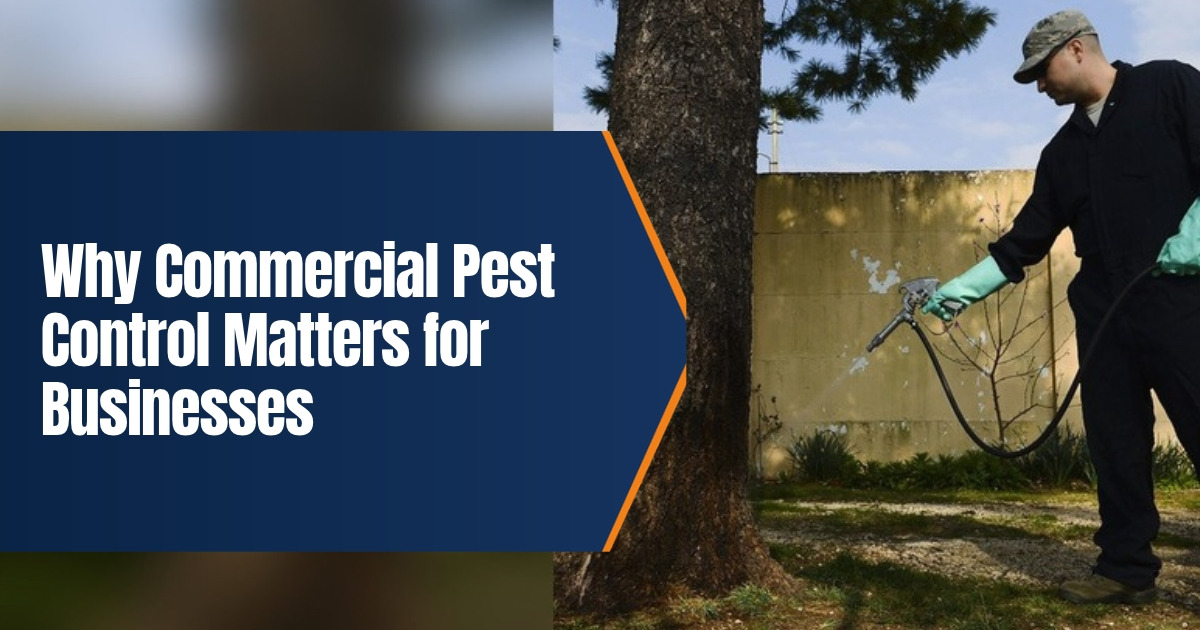

Commercial pest control is the planned, regular work of keeping offices, shops, restaurants, warehouses, hospitals and factories free of rats, cockroaches, termites, mosquitoes and other pests. It is different from spraying a kitchen once a year at home. A business has more people passing through, more food or stock to protect, and legal duties to customers and staff.
This article explains why commercial pest control matters, what rules apply in India, how modern pest management works, and how to choose and supervise a pest control operator in 2026.
Table of Contents
Commercial Pest Control at a Glance
| Item | Detail |
|---|---|
| Who needs it | Food businesses, offices, hotels, hospitals, schools, warehouses, factories |
| Main pests | Rodents, cockroaches, termites, mosquitoes, flies, stored grain insects, birds |
| Key Indian rules | FSSAI hygiene rules for food firms; Insecticides Act 1968 for operators |
| Modern approach | Integrated pest management |
| Typical visit cycle | Monthly or quarterly, more often for food premises |
Why Pests Are a Business Problem
Health risks
Pests are not just unpleasant. The World Health Organization and health agencies such as the US CDC list rodents among the carriers of diseases like leptospirosis and salmonellosis, through droppings, urine and contaminated food. Cockroaches can carry bacteria from drains onto counters and plates. Mosquitoes are a bigger worry in India than almost anywhere: the Aedes mosquito that spreads dengue breeds in small pools of clean water, and building sites, rooftop tanks and discarded containers at business premises are common breeding spots. Our page on dengue fever covers symptoms and prevention.
For staff who fall ill, the right step is to see a doctor. A pest control plan is about reducing exposure, not treating illness.
Damage to stock and buildings
Rats chew through packaging, wiring and pipes. A single gnawed cable can start a fire or shut down a server room. Termites can hollow out wooden doors, shelves and even record rooms full of paper files without being seen until the damage is done. Stored grain insects spoil rice, flour and pulses in warehouses, and moths damage textiles.
Reputation
One photograph of a cockroach in a restaurant or a rat in a supermarket aisle can spread across social media in hours. Review sites and food delivery apps make hygiene visible to every customer. Recovering trust takes far longer than the visit that would have prevented it.
Legal and contract duties
Many tenders, export contracts and audits now ask for proof of a pest control programme. Losing an audit can mean losing a client.
Rules That Apply in India
Food businesses have the clearest duties. The hygiene conditions in Schedule 4 of FSSAI’s licensing and registration regulations require premises to be kept free of pests, with measures such as screens, sealed drains and regular pest control, and records of what was done. Inspectors can ask to see those records. Our article for World Food Safety Day gives the wider picture of food safety in India.
Pest control companies themselves must hold a licence under the Insecticides Act 1968 and the Insecticides Rules 1971 to stock and use insecticides for commercial work. Their staff are expected to be trained in safe handling. A business owner hiring an operator should ask to see this licence.
Municipal bodies in many cities also run anti mosquito drives and can fine premises where larvae are found, especially in the monsoon months.
How Integrated Pest Management Works
Older pest control relied on heavy spraying on a fixed schedule. Integrated pest management, often shortened to IPM, is the approach now recommended by bodies such as the Food and Agriculture Organization. It uses chemicals only when they are needed and focuses on stopping pests getting in and settling.
- Inspection. A trained technician checks the premises, finds signs such as droppings, gnaw marks or termite tubes, and identifies the pest.
- Exclusion. Gaps under doors, holes around pipes and broken screens are sealed so pests cannot enter.
- Sanitation. Waste is stored in closed bins, spills are cleaned quickly and clutter is removed, since pests need food, water and shelter.
- Monitoring. Glue boards, bait stations and insect light traps show where activity is rising.
- Targeted treatment. Gels, baits or sprays are used in specific spots, chosen for the pest and the setting.
- Records and review. Every visit is logged, and the plan changes if a problem returns.
This method is safer for staff and customers, causes less disruption, and tends to work better over time because it removes the reasons pests arrive.
Needs by Type of Business
| Business | Main concerns |
|---|---|
| Restaurants and cloud kitchens | Cockroaches, rodents, flies; FSSAI records |
| Hotels | Bed bugs, rodents, mosquitoes in gardens and pools |
| Offices | Rodents near pantries and cables, termites in furniture |
| Warehouses | Stored product insects, rodents, birds |
| Hospitals and clinics | Strict hygiene, mosquitoes, ants; low chemical methods |
| Schools | Mosquitoes, termites, safe products and timing outside class hours |
Early Signs of a Pest Problem
Pests usually leave clues well before anyone sees them in daylight. Staff who know what to look for can raise the alarm early, when treatment is cheaper and simpler.
- Small dark droppings along walls, in drawers or behind equipment
- Gnaw marks on boxes, skirting boards or cables
- Thin mud tubes on walls or door frames, a common sign of termites
- A musty or oily smell in storerooms, often linked to cockroaches or rodents
- Larvae wriggling in standing water in pots, coolers or drains
- Holes or fine powder in sacks of grain or flour
Write down where and when the sign was spotted and share it with the operator. A few notes like these make the next visit far more useful.
Termite Protection for New Buildings
Termites cause some of the most expensive damage in Indian buildings, partly because they work out of sight. The cheapest protection is applied before the floor is laid. Many builders use a soil treatment around the foundation and under the plinth, and some use physical barriers. For existing buildings, operators drill small holes along walls and inject treatment into the soil beneath. Ask for a written warranty and the period it covers, and keep the paperwork with the building records.
Choosing a Pest Control Operator
A good operator should be able to answer simple questions clearly:
- Can you show your licence under the Insecticides Act and your staff training records?
- Will you do an inspection and give a written plan before quoting?
- Which products will you use, and are they approved for the pest and the setting?
- How will you protect food, staff and customers during treatment?
- Will you give a service report after each visit for our audit file?
- What happens if the problem returns between visits?
Be wary of anyone who promises total elimination forever, refuses to name the chemicals used, or wants to spray heavily without an inspection.
What It Costs
Prices depend on the city, the floor area, the pests involved and how often visits are needed. A small shop or office might pay a modest monthly fee for general pest and rodent control, while a large warehouse or hotel with termite and mosquito work will pay much more under an annual contract. Termite treatment for a new building is usually priced by area. Comparing two or three written quotes after inspections is the best way to judge value.
Daily Habits That Help
Pest control is a shared job between the operator and the people who use the building. Simple habits make a big difference:
- Empty and clean bins every day, and keep lids closed.
- Store food and stock off the floor and away from walls.
- Fix leaking taps and drains quickly.
- Empty water from coolers, plant trays and rooftop containers every week in the monsoon.
- Report sightings to the person in charge so the operator can act.
Many of these tips also apply at home, and our guide to the unexpected places pests hide is a useful checklist for storerooms and pantries too. For basic safe practice, see our list of pest control dos and don’ts.
Ask the operator to label bait stations with numbers so each one can be checked on a site map.
Night inspections often reveal cockroach and rodent activity that is hidden during working hours.
Frequently Asked Questions
How often should a business have pest control?
Most premises use monthly or quarterly visits, while food businesses often need monthly service plus regular monitoring.
Is pest control required by law for restaurants in India?
FSSAI hygiene rules require food premises to be kept free of pests and to keep records of control measures.
Is integrated pest management safer?
Yes. It relies on inspection, sealing and cleaning first and uses targeted chemicals only when needed.
Do pest control operators need a licence?
Yes. In India they need a licence under the Insecticides Act 1968 to stock and use insecticides commercially.