

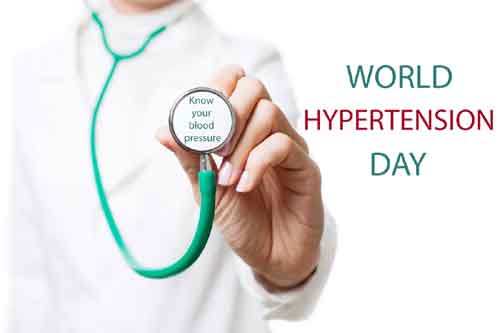
World Hypertension day – 17 May
Every year on 17 May, the world pauses to talk about something that millions of people are living with — often without even knowing it. World Hypertension Day was created for exactly this reason: to put high blood pressure awareness at the center of the global health conversation. Since 2005, this day has been observed by the World Hypertension League to remind people that hypertension is not just a “doctor’s problem.” It is a daily, personal, and very real health challenge that touches nearly every family on the planet.
The numbers are hard to ignore. According to the World Health Organization, over 1.28 billion adults between the ages of 30 and 79 worldwide have hypertension. What makes this even more alarming is that nearly half of them do not know they have it. High blood pressure earns its nickname — “the silent killer” — because it often shows no obvious symptoms. By the time a person feels something is wrong, the damage to the heart, kidneys, or brain may already be underway.
Table of Contents
What is Hypertension?
Your blood pressure is the pressure of your blood against the walls of your arteries as it is pumped around the body by your heart. It’s expressed as the systolic (when the heart contracts) and diastolic (when the heart relaxes) blood pressure. The ideal blood pressure is around 120/80 mmHg. High blood pressure (hypertension) is defined as a consistent reading of 130/80 mmHg or higher, although this may vary slightly between countries and organizations.
The main problem with hypertension causes and prevention is that the heart and blood vessels are constantly under strain when the blood pressure is high. This leads to damage to the lining of arteries, their narrowing or thickening, and, eventually, to heart attacks, stroke, kidney disease, and blindness. These events don’t happen overnight, but are inevitable if hypertension goes unchecked for a long time.
What Causes Hypertension? Understanding the Causes
Hypertension has no one cause, which is one reason why it’s difficult to treat. It’s generally classified into two groups. Essential hypertension (or primary hypertension) is gradual and has no clear cause – it is believed to be due to a combination of genetic, age, and lifestyle factors. Secondary hypertension causes and prevention is due to an underlying medical condition – such as kidney disease, thyroid disease, or sleep apnea.
Don’t forget about age. As the body ages, blood vessels stiffen, making it more difficult for blood to flow. That’s why high blood pressure is more prevalent among people over 60. But it’s no longer an “older person’s disease” – people in their 30s, 40s, and even teens are also increasingly affected, due to the sedentary nature of our society and unhealthy diets.
There is also a genetic component. If your mother, father, grandmother, or grandfather had hypertension, you are at a higher risk. Some ethnicities are more prevalent than others (South Asian and African ethnicities), but we have more research to do to explain why.
The Global Weight of This Problem
This is World Hypertension Global Health Awareness Day because hypertension is a global challenge. It occurs in rich nations such as the United States and Germany, as well as in poorer nations such as South Asia and sub-Saharan Africa. Unfortunately, in many low-income countries, blood pressure measurement and treatment are not widely available, so more people remain undiagnosed and untreated.
The economic cost is also staggering. Hypertension-related illnesses — heart disease, stroke, kidney failure — are among the most expensive conditions to treat. For health systems already stretched thin, this is a serious burden. Prevention and early detection are far cheaper than managing the consequences.
How You Can Keep Your Blood Pressure in Check
The good news, and there is plenty of it, is that blood pressure is one of the most manageable health conditions when people take it seriously. Here are some well-established BP control tips recommended by doctors and public health experts.
Watch what you eat. The DASH diet — Dietary Approaches to Stop Hypertension — has strong evidence behind it. It focuses on fruits, vegetables, whole grains, lean proteins, and low-fat dairy, while cutting back on salt, red meat, and sugary foods. Reducing sodium intake alone can lower systolic blood pressure by 5 to 6 mmHg in some people.
Get moving. Regular physical activity — even 30 minutes of brisk walking five days a week — can lower blood pressure by 5 to 8 mmHg. The heart becomes stronger and more efficient, so it does not have to work as hard to push blood through the body.
Limit alcohol and quit smoking. Alcohol raises blood pressure when consumed in excess, and smoking causes immediate spikes in blood pressure while also damaging artery walls over time. Both habits make blood pressure much harder to control.
Manage stress. Chronic stress keeps the body in a constant state of tension, which raises blood pressure. Simple practices like deep breathing, adequate sleep, spending time with people you care about, and stepping away from screens can make a real difference.
Check your numbers regularly. This is perhaps the most important point on any given day, not just on World Hypertension Day. Home blood pressure monitors are affordable and easy to use. Knowing your numbers means you can act early — before the silent damage adds up.
Take medications as prescribed. For many people, lifestyle changes alone are not enough. Doctors may prescribe ACE inhibitors, beta-blockers, or diuretics. Skipping doses or stopping medication without medical advice is one of the most common reasons blood pressure goes back out of control.
What World Hypertension Day Is Doing for Awareness
The theme for recent World Hypertension Days has centered around the idea of “Measure Your Blood Pressure Accurately, Control It, Live Longer.” This simple message carries a lot of weight. Many people have never had their blood pressure measured or have not had it checked in years. The day serves as a reminder that awareness begins with action — and that action is as simple as rolling up a sleeve and taking a reading.
Health organizations, hospitals, community clinics, and NGOs around the world use this day to set up free blood pressure screening camps, run social media campaigns, and distribute educational materials. The goal is to reach people who would not normally walk into a doctor’s office, particularly men — who are statistically less likely to seek medical help — and people in rural or underserved communities.
Frequently Asked Questions
Q: What is the main purpose of World Hypertension Day?
World Hypertension Day, observed every year on 17 May, aims to raise awareness about hypertension, encourage people to have their blood pressure checked, and urge governments and health organizations to take the condition more seriously at the policy level.
Q: Is hypertension only a problem for older people?
No. While it is more common in older adults, hypertension is increasingly being seen in younger people, including those in their 20s and 30s, largely because of poor diet, lack of exercise, and high stress levels.
Q: Can you feel high blood pressure?
Most people with hypertension feel completely normal, which is why it is called “the silent killer.” Occasional headaches, dizziness, or nosebleeds can occur in severe cases, but these are not reliable warning signs. The only way to know is to measure it.
Q: How often should someone with high blood pressure check their blood pressure at home?
For someone who has been diagnosed with hypertension or is on medication, checking twice daily — once in the morning and once in the evening — is generally recommended. Always record the readings and share them with your doctor.
World Hypertension Day on 17 May is not just a date on a health calendar. It is a call to pay attention to something that affects more than a billion people and yet remains so widely ignored. You do not need to wait for symptoms. You do not need to wait for a doctor’s appointment. The first step — and the most important one — is simply knowing your numbers.