

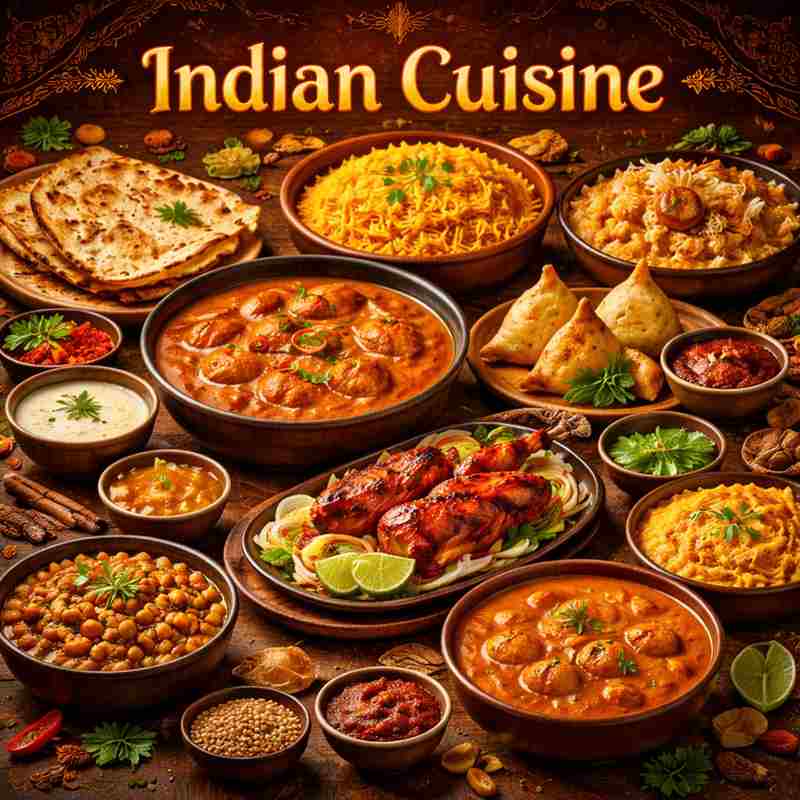
How Indian Cuisine Became Popular Around the World
Indian cuisine has long since left its homeland and established itself across the continents. Its recipes have become regular dishes in the cuisines of numerous nations, whether in street food stands or in high-end dining houses. Indian food is becoming popular all over the world, not overnight, but due to centuries of trade, migration, culture, and interest in the daring food.
The article discusses how Indian cuisine history defined its path, how the spices of Indian culture affected the global culinary world, and why the most traditional Indian dishes amuse the lovers of Indian cuisine all over the world.
Table of Contents
The Entomology: History of Indian Cuisine
To explain the distribution of Indian food around the world, we need to consider the Indian cuisine. It is among the most ancient cooking customs predetermined by geography, religion, and trade.
The rich climate in India enabled the production of a large range of foods. People acquired cooking styles that adapted to the local tastes and conditions over time.
Some key influences include:
- Trading paths of ancient times that delivered ingredients such as saffron and nuts.
- Religious beliefs that influenced vegetarian and non-vegetarian foods.
- Courtly kitchens that enriched and developed cooking techniques.
- The diversity of the region has made individual flavors of the states.
Due to the long and rich history of Indian food, the cuisine was already rich and varied when it was introduced to the rest of the world. This high pH made Indian food adapt well when they were exposed to foreign culture.
The Trade in the Distribution of Indian Food
Trade made a significant contribution to exporting Indian tastes to its borders. Since time immemorial, India has been regarded as the spice country.
European, Middle Eastern, and Asian merchants had been visiting India to purchase spices such as:
- Black pepper
- Cardamom
- Cinnamon
- Cloves
- Turmeric
These were ingredients that had a health and taste advantage. They even brought with them cooking concepts and cooking techniques as they took their trade tools back home.
The spices of the Indian culture became familiar with international cuisines due to this interchange. These spices gradually gained a place in the culinary practices of most nations and some of the world’s recipes.
Migration and the Dissemination of Indian Food Globally
Migration is another significance of Indian food in the world. Indians traveled to other nations to work, trade, and settle.
They took their eating patterns wherever they went.
How migration helped:
- Indian employees in the UK began to open small eateries, which evolved to renowned restaurants.
- African and Southeast Asian communities modified their ingredients with Indian recipes.
- The family recipe was transferred to the next generations in foreign countries.
This constant migration contributed considerably to the Indian food global popularity.
Power of Spices of Indian Culture
Indian use of spices is one of the greatest contributors to the success of Indian food. The culture of spices of India is not a culture of heat, though, but is about balance and flavor.
The use of spices in cooking in India forms strata of flavor. The ingredients and the cooking procedures of each dish tell a story.
And why spices are so popular across the world:
- They give complex weight to the basic ingredients.
- Most spices are health beneficial.
- They permit freedom in the cooking styles.
- They are vegetarian and non-vegetarian friendly.
The high consumption of healthy food in the world has further boosted the demand for turmeric and ginger, along with other spices, in India.
Traditional Indian Delicacies That Are Being Enjoyed All Over the World
A lot of traditional Indian dishes have been adopted in different countries. They are very diverse and have a great taste that suits various tastes.
Some widely loved dishes:
- Butter Chicken – mildly flavoured, creamy.
- Biryani – a tasting rice dish.
- Samosa – a crispy snack
- Masala Dosa – miniature and mainstream.
- Chole Bhature – daring and hearty.
These are the main dishes of traditional Indian food, and they contribute significantly to the Indian food’s global popularity. This has seen many of them readily served in foreign restaurants and food delivery systems.
Indian Dining and World Fame
However, the Indian restaurants have significantly contributed to making the notoriously Indian food more accessible all over the world.
In some countries, such as the UK, Indian cuisine is regarded as the national food. Not only have adapted recipes been adjusted to the local tastes, but the essence has also been retained.
Important reasons for the success of restaurants:
- Bending of menu to local tastes.
- Cooking with original spices and techniques.
- Low price and vast options.
- Increased popularity of veganism and vegetarianism.
This has contributed to attracting a large population to Indian restaurants and reinforcing the popularity of Indian food worldwide. Also, many chefs are bringing regional Indian dishes to provide a variety.
Media and Food Show Effect
The media has also contributed to the spread of awareness on the history of Indian cuisine and food culture.
The Indian cooking styles have been presented to global audiences through cooking shows, travel programs, and social media.
Now, recipes are viewed on the internet and are tested at home. This has allowed Indian food to be popular in the entire world.
Creators of foods usually point out:
- Street food experiences
- Regional specialties
- Cooking techniques
- Health benefits of spices
This exposure is yet to sustain the growth of Indian food world popularity and this makes more people experiment on Indian cooking.
Interest in driving Health
Consumers in the present day are more aware of their diet. Numerous health-friendly food choices are available in Indian food.
Indian culture. The spices of Indian culture feature ingredients with known benefits:
- Turmeric is an anti-inflammatory.
- Ginger for digestion
- Garlic for heart health
- Lentils for protein
Most of the Indian traditional foods are vegan and are thus appealing to vegetarians or vegans. Unequal use of spices is also favorable to digestion and general health.
This link between taste and health has made Indian food worldwide even more popular.
Juggling between adaptation without losing the identity
The adaptability of Indian cuisine is one of the reasons why it is a success.
Although the fundamental flavors of the dishes have not been changed, they can be modified to meet the tastes of local people. For example:
- Fewer spices for Western customers.
- Indian and world cuisines fused.
- Utilizing local products in food.
The balance allows for preserving the authenticity and making food more accessible. It makes sure that the history of Indian cuisine will remain alive even as it is spread over regions.
Food as a Cultural Homage
One of the strongest methods of cultural union is food. Indian cuisine is not only about taste but also an experience.
Meals often include:
- A combination of such flavors as sweet, sour, spicy, and salty.
- Shared eating traditions
- Traditional serving styles
These are the cultural aspects that are stored in memory upon eating. They make individuals realize the origins of traditional Indian food.
This relationship aids the culture of Indian food to gain popularity all over the world and create an appreciation of the Indian culture.
Difficulties in Indian Food abroad
Indian food has also had its challenges in the world, regardless of the success it has received.
Common issues include:
- Poor knowledge of spices as hot food only.
- Little knowledge of regional diversity.
- Consumption of some dishes in excessive amounts, such as curry.
Nevertheless, increasing consciousness is facilitating the solution of these issues. They are also introducing more chefs and people who specialize in food, and are offering true regional cuisines to the world.
The Future of the Indian Food World
Indian food has a promising future all over the world. Indian food is unique, be it in taste or great variety, as people keep adopting new cuisines.
The trends that can influence its future are:
- Increased attention to the local specialties.
- Growth of plant-based diets
- More spices in the world’s food products of Indian origin were used.
- Indian restaurant expansion.
FAQs
Why is Indian food so famous all over the world?
Indian cuisine is famous due to its full of flavors, spices usage, and diverse range of cuisine. The taste vs health balance appeals to the international spectators.
Which are the most well-known Indian traditional cuisines in the world?
Butter chicken, biryani, samosa, masala dosa, and chole bhature are some of the famous traditional dishes of India.
What was the spread of Indian cuisine to the rest of the world?
Indian food became known through trade, movement, and cultural diffusion. Foreign communities of Indians brought their food to the host communities.
Are Indian spices healthy?
The spices of the Indian culture do contain ingredients such as turmeric, ginger, and garlic, known to have health benefits.