

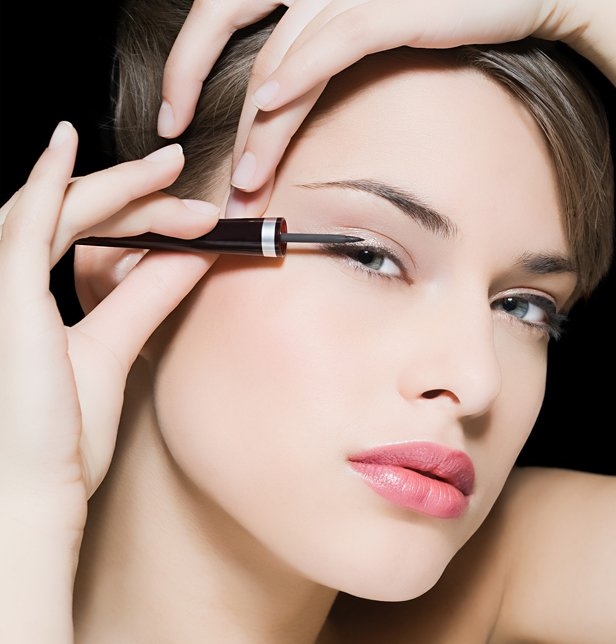
5 mistakes women often make while wearing eye liner
Eyeliner can make a face look awake, sharp and bold. It can also go wrong in seconds. A wobbly wing, smudges under the eye or a line that fades by lunch can spoil a good look. Most of these problems come from a few small eye liner mistakes that are easy to fix.
This guide covers the five common errors, and how to avoid each one. It also adds a section on eye safety, since the skin and surface of the eye are delicate. The safety points come from the American Academy of Ophthalmology and the US Food and Drug Administration (FDA).
Table of Contents
Mistake 1: Going Too Dark on the Lower Lid
Eyeliner is meant to frame the eye. Many people press a heavy dark line along the lower lash line and keep going back to it. The dark band can make the eye look smaller. It also tends to smudge and leave grey marks under the eye, and those take effort to remove.
How to fix it
- Keep the lower line thin, or skip it on days you want a lighter look.
- Smudge it lightly with a small brush, and stop when it looks soft.
- Use the same colour on both eyes and check the mirror from a small distance.
- If your eyes are small, put the darker shade on the upper lid and use a softer shade below.
Less is easier to correct. You can always add a little more, but you cannot easily take away a thick line.
Mistake 2: Using Only Black and Brown
Black and brown are classic, and they suit most people. But many women think they are the only choices. That is a habit, not a rule.
Try a few other shades:
- Nude or beige on the lower lid can make eyes look fresher and more open.
- Navy or dark green can look softer than black for daytime.
- White or light shades can brighten the inner corners.
- Bronze or plum can work for evening looks.
Test any new shade on your wrist first. Then try it on the eye area for a short time, in good light. If you feel burning or itching, wash it off.
Mistake 3: Using the Wrong Brush or Tool
A shaky line is often a tool problem, not a skill problem. For a winged look, a thick brush or a blunt pencil makes the flick uneven. Then you redo it, rub the skin, and end up with a mess.
What helps
- Use a thin, angled brush for gel liner. It gives control at the outer corner.
- Keep pencil tips sharp, or use a pencil you can twist up.
- Rest your elbow on a table while you draw. It keeps the hand steady.
- Look straight ahead in the mirror. Do not tilt your head far back.
- Draw short dashes and join them, instead of one long line.
Do not pull the eyelid hard while drawing. Stretching the skin can lead to a crooked line once the skin relaxes. It can also stress the delicate skin near the eye over time.
Mistake 4: Picking the Wrong Type of Liner
Liners come in a few forms. Each suits a different need and a different level of skill.
| Type | Good for | Watch out for |
|---|---|---|
| Pencil | Quick everyday looks | Can smudge in heat |
| Gel | Bold evening looks with a glossy finish | Needs a brush and a little practice |
| Liquid | Sharp wings and cat-eye styles | Needs a steady hand and time |
If you have five minutes, a pencil is a fair choice. If you have a party in the evening, gel gives a rich finish. If you want a crisp wing, liquid is the usual pick, but be patient with it. Beginners can start with a pencil and move up.
Mistake 5: Not Setting the Liner
Many people skip this step, and then wonder why the liner melts. A light dusting of matching powder eyeshadow on top of the liner helps it stay in place. The powder sits on the line and reduces slipping. Use a small brush and tap off extra powder first.
A few more tips for staying power:
- Start with clean, dry eyelids. Oil on the lid makes any liner slide.
- Let each layer dry for a few seconds before you blink.
- Carry a cotton bud for quick fixes at the corners.
- In humid weather, use a smudge-resistant formula.
Eye Safety: What Doctors and Regulators Say
Beauty advice is fun. But the eye is delicate, and small habits can prevent infections. The American Academy of Ophthalmology (AAO) and the FDA share clear tips.
Rules that protect your eyes
- Use products made for eyes. Do not use a lip liner as an eyeliner. The FDA warns it can bring germs from the mouth, or colours not approved for the eye area.
- Keep liner outside the lash line. The AAO says to apply makeup outside the lash line so the tiny oil glands of the eyelid do not get blocked. These glands make oil that protects the eye’s surface. Lining the inner rim can block them.
- Never share. The AAO says not to share eye makeup, even with close friends or family.
- Replace products. The AAO says to throw away eye makeup after three months. The FDA gives the same time for mascara.
- Wash hands first. Bacteria on hands can cause infections.
- Do not apply in a moving vehicle. A jolt can scratch the eye.
- Remove makeup at night. The AAO advises removing all eye makeup before sleep.
- Stop if it irritates. If a product causes irritation, stop using it. See a doctor if it does not settle.
- Throw it away after an infection. If you get pink eye or any eye infection, discard all eye makeup you were using and avoid new eye makeup until you heal.
A note on kajal and kohl
Many Indian homes use kajal, also called kohl. The FDA says to avoid kohl as a colour for the eye area in the United States, since it is not an approved colour additive there. It also warns that some reports have linked kohl to lead poisoning, so it should be kept away from children. I did not check the rules in India, so read labels carefully. Choose a kajal from a known brand that lists its ingredients. Keep any kajal away from babies unless a doctor advises it.
This is general information. If you have an eye condition, allergies or recent eye surgery, talk to an eye doctor before you use liner.
How to Remove Eyeliner Gently
Removal matters as much as application. The AAO suggests a few simple habits.
- Petroleum jelly, such as Vaseline, is soothing and lets makeup slide off without much tugging.
- “Tear-free” baby shampoo is a low-cost option that eye doctors recommend for washing eyelids.
- Use a clean cotton swab along the base of the lashes to pick up leftovers.
- Rinse the remover off your lids well, and keep it out of your eyes.
- Do not use scrubs with grains near the eyes. They can scratch and irritate.
Be gentle. Rubbing hard pulls lashes and can leave the skin red and puffy. The AAO also says that lashes matter. They keep dust out of the eyes and help stop them from drying out.
Easy Steps for a Neat Everyday Line
- Wash your hands and clean your eyelids.
- Apply a thin coat of primer or a little concealer, and let it dry.
- Draw tiny dashes along the upper lash line, starting from the middle.
- Join the dashes into a thin line.
- Add a small flick at the outer corner if you like.
- Set the line with matching powder.
- Check both eyes for balance and clean up with a cotton bud.
For more makeup tips from our site, see our notes on 5 makeup blunders that make you look older, and common mistakes women make with lipsticks. If you want your brows to match your eye look, read 5 tips for perfect eyebrows. And for eye health in general, see 5 simple ways to improve and maintain good eyesight.
FAQs About Eye Liner Mistakes
What is the most common eyeliner mistake?
Going too heavy on the lower lash line is very common. It can make eyes look smaller and smudge easily.
Which eyeliner is best for beginners?
A pencil is the easiest to control. Once you feel steady, try gel with a thin brush, and then liquid.
How do I stop eyeliner from smudging?
Start with dry lids, let the liner dry, and set it with matching powder. In humid weather use a smudge-resistant formula.
How often should I replace eyeliner?
The AAO advises replacing eye makeup every three months. The FDA gives the same limit for mascara. Replace it sooner if it changes smell or texture.
Is it safe to line the inner rim of the eye?
The AAO says to apply makeup outside the lash line, to avoid blocking the oil glands of the eyelid. Lining the inner rim can also bring product into the eye.
Final Thoughts
A good eyeliner look needs a light hand, the right tool and a bit of practice. Keep the lower line soft, try colours beyond black, and set your work with powder. Put eye safety first. Clean tools, fresh products and gentle removal keep your eyes healthy long after the party ends.