

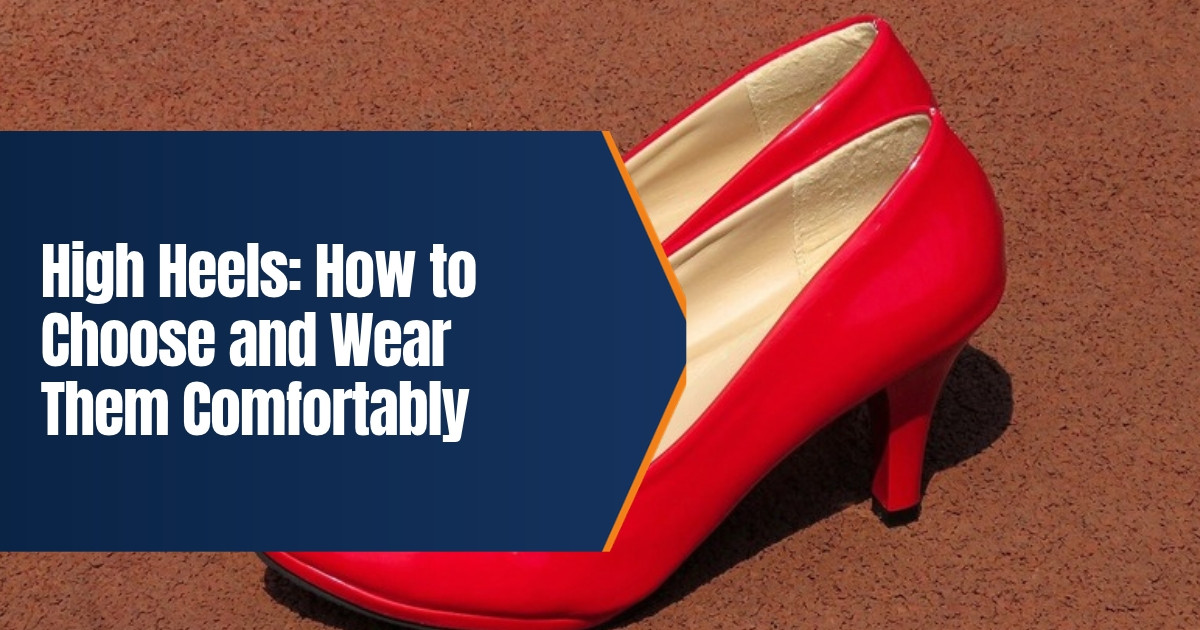
High Heels: How to Choose and Wear Them Comfortably
High heels have been part of fashion for centuries, and they still divide opinion. Some people love the height and the sharp line they give an outfit, while others find them painful after an hour. The good news is that comfort is rarely a matter of luck. Choosing the right style, height and fit, and wearing heels sensibly, makes a large difference. This guide explains how to choose high heels, how to walk in them with confidence and how to protect your feet.
Table of Contents
High Heels at a Glance
| Item | Detail |
|---|---|
| Everyday height | About 4 cm or lower, as advised by podiatrists |
| Most stable styles | Block heels, wedges and low platforms |
| Least stable | Thin stilettos above 8 cm |
| Best time to try on | Afternoon or evening, when feet are larger |
| Helpful features | Round or almond toe, straps, cushioned insole |
| When to see an expert | Foot pain that lasts or keeps returning |
A Short History of Heels
Heels were first worn for practical reasons. Persian riders used raised heels to keep their feet in the stirrups, and the style spread to Europe in the seventeenth century, where it was worn by wealthy men as well as women. King Louis XIV of France was famous for his red heels. Over time heels became linked mostly with women’s fashion, and the slim stiletto arrived in the 1950s. Today heels come in many shapes, and designers make them for every kind of occasion, from office wear to weddings.
Why People Choose Heels
- Height and posture. Many people enjoy the extra height and feel that heels make them stand taller.
- A finished look. Heels can make a simple dress, saree or pair of trousers feel more formal.
- Confidence. For some, putting on a favourite pair is part of feeling ready for a big day.
- Tradition. Heels are often expected at weddings, parties and formal events.
None of these reasons means you must wear heels. Flats, loafers and smart trainers are now accepted in most offices and at many events, so heels are a choice rather than a rule.
Types of High Heels
Stilettos
Stilettos have a long, thin heel and look elegant, but they put the most pressure on the front of the foot and offer the least balance. Keep them for short events where you will spend much of the time sitting.
Block heels
A block heel is wide and square. It spreads your weight over a larger area, so it is much steadier on uneven floors and pavements. Block heels are a popular choice for office wear and long days.
Kitten heels
Kitten heels are short and slim, usually between 3 and 5 centimetres. They give a little lift without much strain and are a good starting point if you are new to heels.
Wedges
Wedges have a solid sole that runs from the heel to the toe. Because the whole foot is supported, they feel more stable than a thin heel of the same height and work well for outdoor events.
Platforms
Platform shoes add thickness under the front of the foot as well as the heel. This reduces the actual slope of the foot, so a platform with a tall heel can feel lower than it looks.
Pumps and slingbacks
Pumps are closed shoes without straps, while slingbacks have a strap behind the heel. A strap or ankle tie helps hold the foot in place, which means your toes do less gripping.
How to Choose the Right Pair
- Pick a sensible height. The Royal College of Podiatry suggests that everyday heels should be about 4 centimetres or lower, and that higher heels are best kept for special occasions.
- Check the toe shape. A round or almond toe gives your toes room to spread. Very pointed shoes squeeze them together.
- Look for support. Straps, laces or a snug heel cup stop the foot from sliding forward.
- Feel the insole. A cushioned footbed under the ball of the foot reduces pressure.
- Test the heel. It should sit straight under your heel bone and feel solid, not wobbly.
- Choose good materials. Soft leather or quality fabric shapes to the foot better than stiff plastic.
Getting the Fit Right
Feet tend to swell during the day, so shop for shoes in the afternoon or evening. Try both shoes on, because many people have one foot slightly larger than the other. Walk around the shop on a hard floor as well as on carpet. There should be a little space in front of your longest toe, and your heel should not slip out with each step. If the shoe pinches in the store, it will not suddenly become comfortable later. Sizes also vary between brands, so do not rely on the number alone.
How to Walk in Heels
- Start low. Begin with kitten heels or block heels and move higher only when you feel steady.
- Heel first, then toe. Place your heel down first and roll forward onto the ball of your foot.
- Take shorter steps. Long strides throw you off balance in heels.
- Stand tall. Keep your shoulders back and your core gently engaged rather than leaning forward.
- Look ahead. Watching the ground too closely spoils your posture.
- Practise at home. Wear new shoes indoors for short periods before a big event.
Looking After Your Feet
Heels push your body weight towards the ball of the foot. Worn often, they can add to pain under the forefoot, and they can make problems such as bunions and corns worse. They also change how the calf and ankle work. This does not mean heels are banned, but it is wise to wear them in moderation.
- Vary heel height through the week, as podiatrists advise, and switch to flats on the commute.
- Carry a pair of foldable flats in your bag for long events.
- Use gel pads or cushioned insoles to ease pressure under the ball of the foot.
- Stretch your calves and roll your feet over a ball at the end of the day.
- Give your feet rest days in supportive shoes.
If you have foot pain that lasts, swelling, numbness or a change in the shape of your foot, see a podiatrist or doctor. Do not keep pushing through pain. Our article on the benefits of good quality footwear explains why well made shoes matter for feet and posture.
Styling Tips
- Office. Low block heels or pumps in black, tan or nude go with trousers, pencil skirts and kurtas.
- Weddings. Embellished block heels or wedges are easier than stilettos for long ceremonies and dancing.
- Sarees and lehengas. A modest heel helps the drape fall well, but check the length of the saree with the shoes on.
- Jeans. Ankle strap heels or heeled boots work with cropped or straight jeans.
- Outdoor events. Wedges and platforms will not sink into grass the way thin heels do.
For outfit ideas that stay in fashion, see our list of fashion trends that never go out of style and these fashion tips that help for life.
Heels and Budget
Expensive shoes are not always the most comfortable, and cheap ones are not always poor. What matters most is the build: a firm heel counter, a sole that bends at the ball of the foot and an insole that does not flatten after a week. Buying one well made pair you can wear often is usually better value than several pairs that stay in the cupboard.
Caring for Your Heels
Replace worn heel tips quickly, because a worn tip makes the shoe unstable and can damage the heel itself. Store shoes in a cool, dry place, stuff them with paper to keep their shape, and clean leather with a soft cloth. A good cobbler can add rubber soles for grip.
Breaking in new shoes slowly, with short wears at home, helps you spot rubbing before it becomes a blister.
A plaster or blister pad on the back of the heel can prevent soreness on long days.
Nude shades that match your skin tone can make legs look longer without needing a taller heel.
Children and teenagers whose feet are still growing are better off in flat, supportive shoes for daily wear.
Frequently Asked Questions
What heel height is best for everyday wear?
Podiatrists suggest about 4 centimetres or lower for daily use, with higher heels kept for occasional wear.
Which heels are the most comfortable?
Block heels, wedges and low platforms with a round toe and a strap usually feel steadiest.
Are high heels bad for your feet?
Worn often, they can add to forefoot pain and worsen bunions or corns. Wearing them in moderation and varying heights helps.
How can I stop my feet hurting in heels?
Choose a good fit, use cushioned insoles, take breaks and carry flats for the trip home.